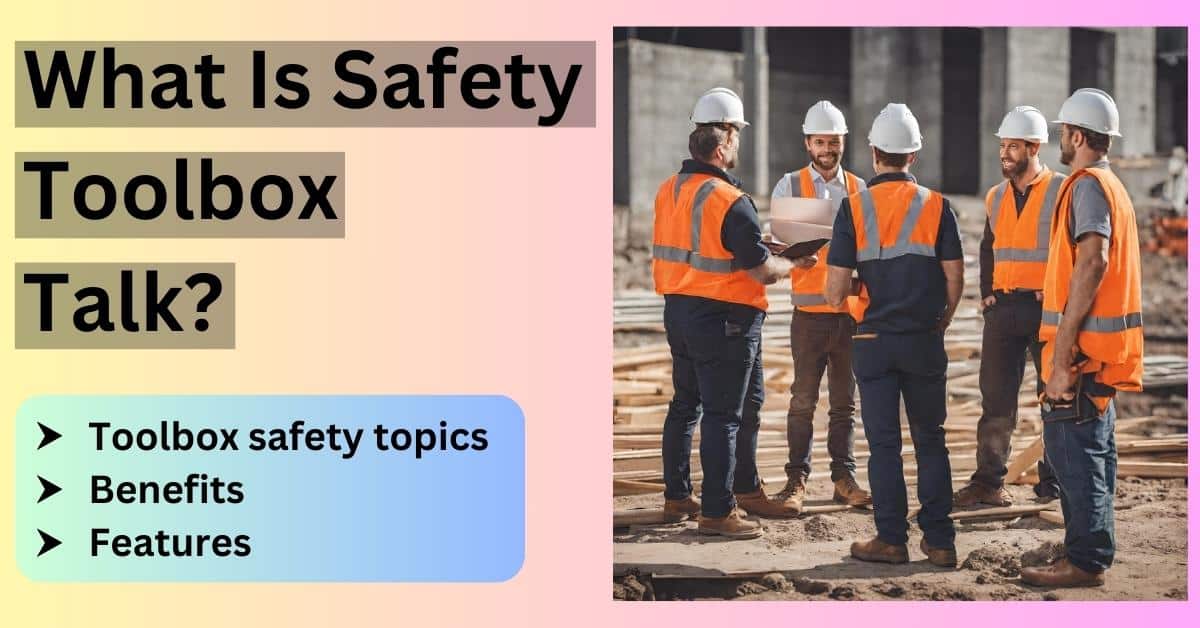
Safety doesn’t have to be expensive to be effective. One of the most powerful tools in preventing workplace incidents isn’t a high-tech gadget or a costly training program—it’s a five- to ten-minute conversation. Toolbox talks are that conversation, and when built on free, relevant safety topics, they become a cornerstone of a proactive safety culture.
Yet too many crews treat toolbox talks as a box to check. Generic, recycled content leads to disengagement. Workers zone out. Supervisors read from outdated PDFs. And risks go unaddressed until something goes wrong.
The solution? High-impact safety topics—free, timely, and directly tied to real work conditions. This guide delivers exactly that: actionable, no-cost content you can use tomorrow, with delivery strategies that keep crews attentive and informed.
Why Free Safety Topics Work
When Paid Ones Fail
Many companies pour money into safety training platforms, subscription libraries, or branded materials. But engagement often lags. Why?
Because relevance trumps production value.
A flashy, animated video on fall protection might look professional, but if it shows a roof type your crew never works on, it won’t stick. In contrast, a supervisor-led discussion on securing ladder feet on uneven ground—using yesterday’s near-miss as context—lands differently. It’s immediate. It’s real.
Free safety topics succeed because they’re flexible. You can customize them to:
- Current weather conditions (e.g., working in heat after a cold snap)
- Recent incidents or close calls
- Equipment recently brought on-site
- Seasonal hazards (winter slips, summer fatigue)
And because they’re free, there’s no pressure to “justify the cost.” You can rotate topics weekly, adapt mid-week, or pause for urgent issues without bureaucratic delay.
Pro Tip: Record a 30-second voice memo after each talk with key takeaways. Share it in your crew chat. Reinforcement without extra work.
Top 10 Free Safety Topics for Weekly Toolbox Talks
These topics require no budget—just preparation and presence. Each can be covered in 5–7 minutes and adapted across industries.
#### 1. Proper Use of Fall Protection on Unstable Surfaces Focus: Anchoring points, harness fit, and inspection of lanyards. Use Case: Ground crew assembling scaffolding on soft soil. Mistake to Highlight: Using a harness with a frayed D-ring “just for a minute.”
#### 2. Eye Protection Beyond the Basics Focus: Choosing the right eyewear for dust, UV, or chemical splash. Use Case: Grinding metal without side shields. Real Talk: “I wasn’t welding, so I skipped goggles.”—a common excuse before injuries.
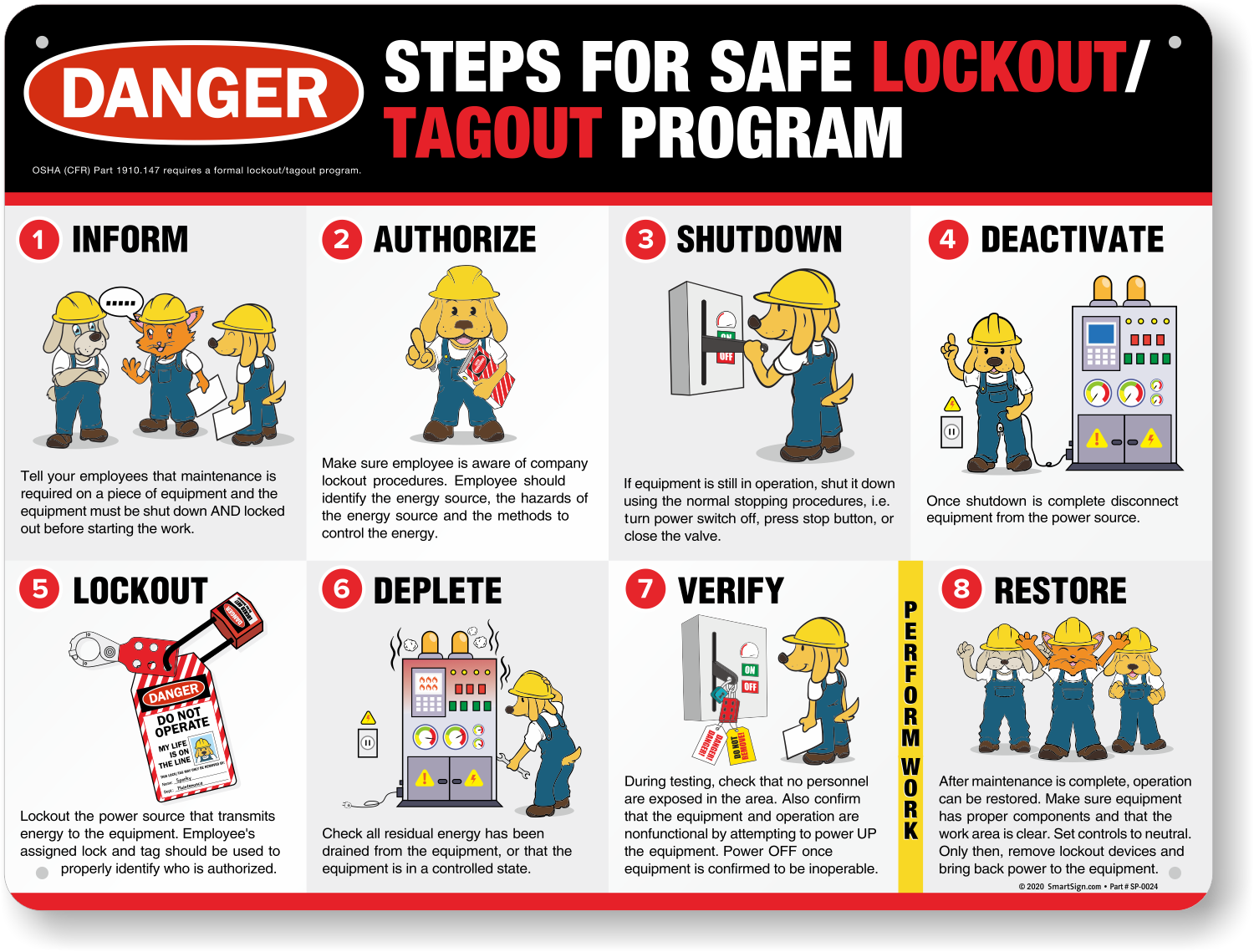
#### 3. Hand Safety During Equipment Maintenance Focus: Lockout/tagout (LOTO) procedures during cleaning or blade changes. Use Case: Conveyor belt cleaning before shift starts. Data Point: 10% of hand injuries occur during maintenance (BLS).

#### 4. Communication Gaps in High-Noise Zones Focus: Hand signals, radio clarity, and confirming instructions. Use Case: Crane operations near jackhammer work. Fix: Agree on a “repeat-back” rule for all verbal orders.
#### 5. Slips, Trips, and Falls on Wet Surfaces Focus: Housekeeping, footwear tread, and immediate spill response. Use Case: Morning dew on metal roofing. Checklist: - Inspect walkways before starting work - Mark wet areas with tape or cones - Report damaged boots immediately
#### 6. Heat Stress Awareness Without Air Conditioning Focus: Hydration, rest breaks, and recognizing early symptoms. Use Case: Roofing in direct sun with 85°F heat index. Warning Signs: Dizziness, nausea, irritability—not just sweating.
#### 7. Working Alone: Staying Safe When No One’s Watching Focus: Check-in protocols, emergency contact methods, and risk assessment. Use Case: Electricians in remote substation rooms. Tool: Use a shared digital log with 30-minute check-in reminders.
#### 8. Back Safety in Repetitive Lifting Focus: Team lifts, posture, and load distribution. Use Case: Handling 50 lb. bags of grout daily. Myth Busting: “I’ve done this for years—my way works.” (Until it doesn’t.)
#### 9. Fire Safety Around Flammable Storage Focus: Spill containment, ignition sources, and extinguisher access. Use Case: Paint storage near welding stations. Rule: No smoking within 25 feet—enforce it visibly.
#### 10. Mental Focus and Distraction Risks Focus: Fatigue, personal stress, and task fixation. Use Case: Operator missing a warning light due to phone use. Conversation Starter: “What distracted you this week—and how did you catch it?”
How to Deliver Toolbox Talks That Stick
A great topic falls flat without effective delivery. Follow this workflow:
- Preview the Topic 24 Hours Ahead
- Send a one-line heads-up: “Tomorrow’s talk: ladder stability on grass.” Lets workers recall recent experiences.
- Start with a Real Incident
- “Last week, a ladder slipped during a gutter repair. No one was hurt—but here’s how it happened.” Stories beat statistics.
- Engage, Don’t Lecture
- Ask: “What would you have done?” or “Where have you seen this risk?” Silence is okay. Wait 7 seconds. Someone will speak.
- End with a Clear Action
- “Today, inspect every ladder setup before climbing. Point out any instability—no matter who set it up.”
- Document the Talk
- Use a simple sign-in sheet with topic and date. Not for blame—proof of awareness.
Common Mistake: Turning the talk into a Q&A with only the supervisor talking. Rotate facilitators monthly to build ownership.
Free Toolbox Talk Resources You Can Use Today
| Resource | Best For | Access Notes |
|---|---|---|
| OSHA.gov/Publications | Regulatory-aligned topics | Download PDFs on fall protection, PPE, etc. |
| NIOSH Workplace Solutions | Science-backed guidance | Search by industry or hazard type |
| Canadian Centre for Occupational Health (CCOHS) | Multilingual templates | Free PDF talks in English and French |
| Safety + Health Magazine (National Safety Council) | Real-world scenarios | Weekly email with discussion prompts |
| State OSHA Programs (e.g., Cal/OSHA) | Local compliance tips | Free toolkits and checklists |
Use these as starter templates—then customize with your site-specific risks.
When Free Topics Aren’t Enough: Knowing the Limits
Free content has constraints. Be aware of:
- Outdated examples: A 2010 fall protection guide might miss modern harness designs.
- Generic advice: “Wear PPE” without specifying which PPE for this task.
- Lack of visual aids: Some crews learn better with diagrams or quick videos.
Workaround: Pair free topics with on-site visuals. Take three photos of correct vs. incorrect practices. Show them during the talk. No design skills needed.
Also, revisit topics quarterly. A talk on cold stress in January should return in November—workers forget.
Industry-Specific Adjustments for Maximum Impact
One size doesn’t fit all. Tailor these free topics by sector:
Construction: Focus on elevation, heavy equipment, and temporary structures. Example: “Securing temporary stairs on a 3rd-floor pour.”
Manufacturing: Emphasize machine guarding, LOTO, and repetitive motion. Example: “What happens when the emergency stop is blocked by tools?”
Facilities/Maintenance: Highlight confined spaces, chemical handling, and after-hours risks. Example: “Working in a boiler room at 6 AM—what changes?”
Landscaping/Utilities: Stress underground line safety, trenching, and overhead hazards. Example: “Tree trimming near service drops—minimum clearance rules.”
Adaptation isn’t extra work—it’s better protection.
Sample 5-Minute Toolbox Talk: Heat Stress (Summer Edition)
Topic: Recognizing Early Heat Stress Duration: 5–6 minutes Materials: None
Script: “Last Thursday, Jamie felt dizzy during the roof demo. Crew paused, got water, and sat him in the shade. He’s okay—but that was heat stress. Let’s talk how to catch it earlier.
Symptoms aren’t just heavy sweating. Look for: - Headache - Muscle cramps - Nausea - Confusion or irritability
Prevention: - Drink water every 15 minutes—even if not thirsty - Take shade breaks every hour - Wear light-colored, breathable clothing
- If someone shows symptoms:
- Move them to shade
- Cool skin with water
- Call for help if they worsen
Action today: Check your water supply before starting. If your bottle’s not full, refill it. And speak up if you or a coworker seems ‘off.’”
Sign-in sheet used. Topic logged.
Make Safety Conversational, Not Compliance-Driven
The best toolbox talks don’t feel like training. They feel like team huddles—where safety is part of the workflow, not an interruption.
Free safety topics empower this shift. They remove cost barriers and encourage customization. When a talk reflects real work, workers listen. They contribute. And they stay safer.
Start tomorrow: pick one topic from this list, tie it to yesterday’s work, and talk. Not at your crew—with them. That’s how culture changes.
FAQ
What should you look for in Free Safety Topics for Toolbox Talks That Teams Actually Listen To? Focus on relevance, practical value, and how well the solution matches real user intent.
Is Free Safety Topics for Toolbox Talks That Teams Actually Listen To suitable for beginners? That depends on the workflow, but a clear step-by-step approach usually makes it easier to start.
How do you compare options around Free Safety Topics for Toolbox Talks That Teams Actually Listen To? Compare features, trust signals, limitations, pricing, and ease of implementation.
What mistakes should you avoid? Avoid generic choices, weak validation, and decisions based only on marketing claims.
What is the next best step? Shortlist the most relevant options, validate them quickly, and refine from real-world results.